Every vehicle.
Tracked live.
TransIT gives personal car owners, logistics companies and transport services one console for real-time GPS tracking, alerts, geofencing, maintenance and distance-based billing — down to the vehicle, in real time.
For owners and fleet teams moving across Nigeria.
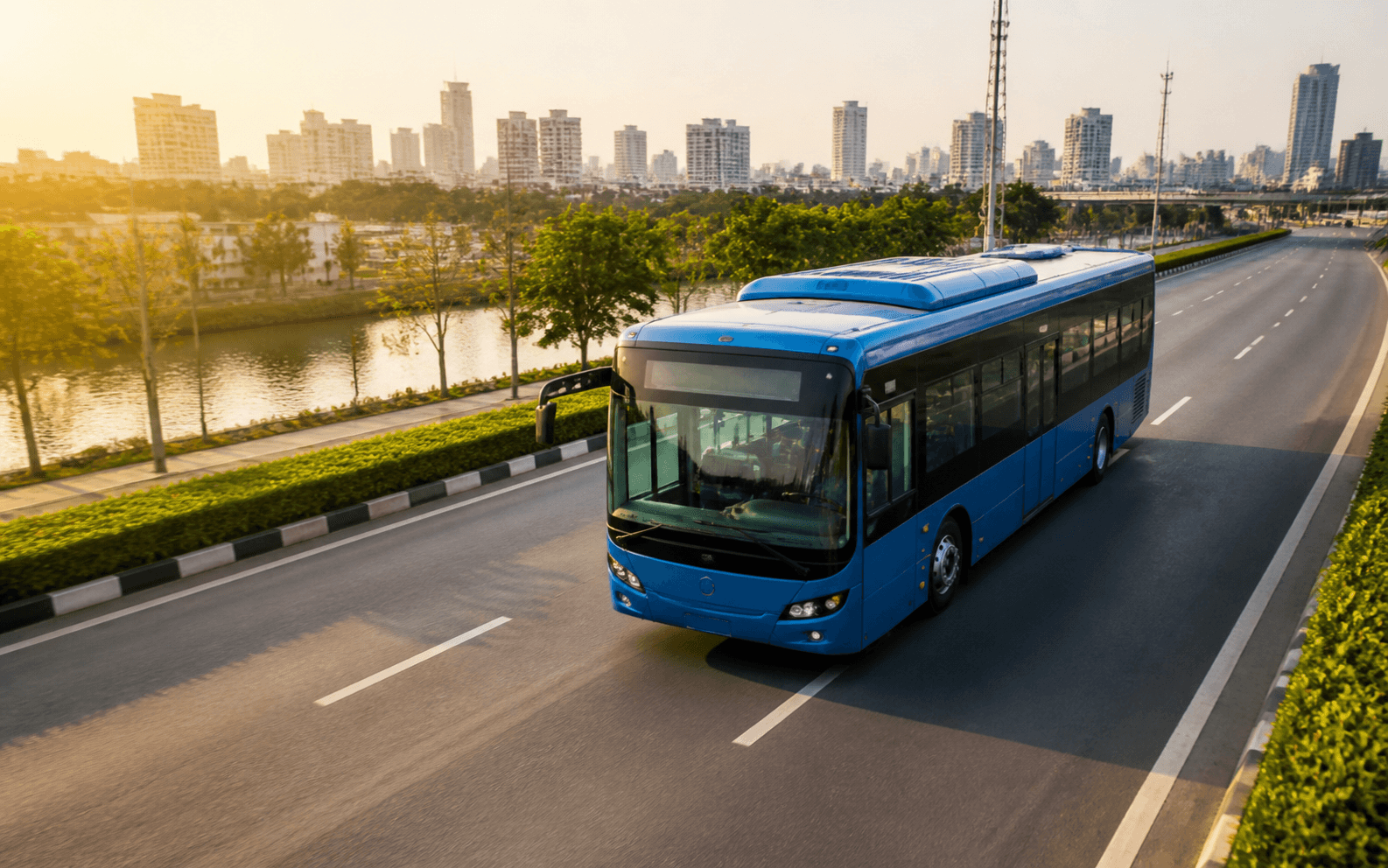
Moving Lagos
See the whole fleet in motion.
Real-time
GPS ping to console
Persistent WebSocket connection
Live · Stale · Offline
Telemetry freshness
Clearly scored for every vehicle
5 device events
Alert triggers
From overspeeding to device unplug
Explore TransIT.
Choose the part of the platform that matters to your operation.
Live tracking
See how TransIT turns every tracker ping into a clear, trustworthy fleet view.
View pageThe platform
Explore alerts, geofencing, maintenance, billing and daily fleet operations.
View pageWho it’s for
See focused workflows for car owners, logistics companies and transport services.
View pageA clearer operating rhythm.
TransIT connects the small decisions that keep a vehicle or fleet moving, from the first tracker ping to the final status update.
See the signal
A live connection keeps the latest vehicle position, speed and ignition state in view as your fleet moves.
Know what changed
Freshness states and alert triggers make it obvious which vehicles need attention now.
Move with confidence
Routes, ETAs and shared locator links keep owners and fleet teams working from the same picture.
From setup to signal, without the handoff gaps.
TransIT gives teams a simple path from connected hardware to a dependable daily operating rhythm.
Connect your trackers
Bring your existing GPS devices into one fleet view and see the first signal arrive.
Set the operating rules
Configure routes, geofences, alert triggers and the freshness states your team watches.
Run from one console
Monitor movement, respond to changes and keep owners, dispatchers and service teams aligned.
One live picture
Better decisions happen closer to the signal.
The right detail is available when the team needs it—without waiting for a report, calling a driver or reconciling two different versions of the route.
See live tracking62 km/h
Confirm a vehicle is moving safely
Live
Know whether the latest signal is current
1 link
Share a vehicle’s position with a teammate
Questions teams ask before they switch.
A few practical answers about the way TransIT fits into a working fleet.
Who is TransIT for?
Personal car owners, logistics companies and transport services that need a clear view of moving vehicles.
Can I start with one vehicle?
Yes. Owners can begin with a single connected car, while logistics and transport teams can expand into full fleet operations.
What happens when a tracker goes quiet?
The console keeps freshness explicit with live, stale and offline states, so silence is never mistaken for movement.
Can we start with our existing fleet?
Yes. TransIT is designed to bring connected GPS devices, vehicles, drivers and routes into one operating workspace.
See your fleet live.
Register your fleet and connect your first tracker in minutes — one console for tracking, alerts, maintenance and billing.